
What Are Trade Wars?
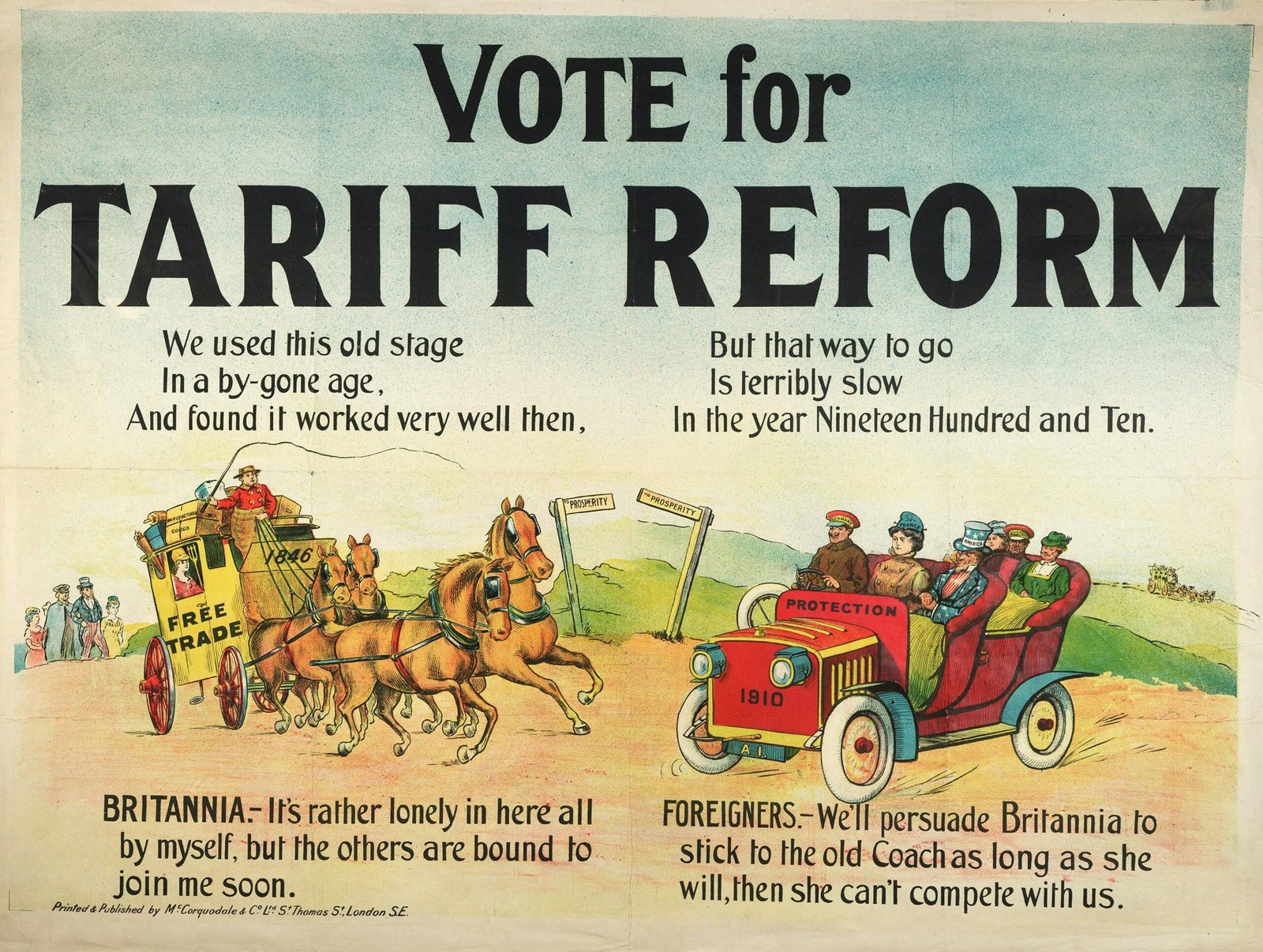
Trade wars represent a conflict between countries characterized by the imposition of tariffs and other trade barriers. These measures are employed by governments to protect domestic industries from foreign competition, often in response to perceived unfair trade practices or to attempt to rectify trade imbalances. The mechanism of a trade war typically begins when one country enacts tariffs on the imports of another country, prompting retaliatory tariffs as the affected country seeks to defend its economic interests. This tit-for-tat exchange can escalate, leading to widespread implications for global trade.
Historically, trade wars have arisen from various economic tensions and political disputes. The Smoot-Hawley Tariff Act of 1930 is a notable example, where the United States raised tariffs on hundreds of imports in an attempt to support local industries during the Great Depression. This action led to retaliation from other nations and significantly impacted global trade dynamics, exacerbating the economic downturn. Another prominent instance occurred in the late 20th century with the trade tensions between the United States and Japan, where both countries engaged in a series of protective measures aimed at safeguarding their respective automotive and technology sectors.
In contemporary times, trade wars have become increasingly relevant, particularly in the context of U.S.-China relations. The trade conflict that started in 2018 saw the United States implement tariffs on billions of dollars’ worth of Chinese goods. China responded with its own tariffs on American products, demonstrating how trade wars can affect various industries, from agriculture to technology. The overarching goal of such measures is often to compel the opposing country to alter its trade practices or to foster domestic manufacturing. However, the consequences usually extend beyond tariffs, impacting global supply chains and consumer prices, raising questions about the long-term benefits of such conflicts.
Causes of Trade Wars
Trade wars arise from a complex interplay of economic and political factors that reflect the dynamics between nations. One significant economic cause is the prevalence of trade imbalances. When one nation consistently exports more than it imports, resentment can build among trading partners, leading to actions that may escalate into trade disputes. These imbalances often stem from competitive advantages in production, differences in labor costs, or government subsidies that distort market dynamics. Countries facing such imbalances may impose tariffs or quotas in an effort to protect domestic industries, triggering retaliatory measures from affected nations.
Another contributing factor is the competition for scarce resources. As nations strive to secure access to vital resources, conflicts can emerge. This competition can be particularly pronounced in industries such as technology, energy, and rare earth elements, where limited availability and strategic importance can escalate tensions. For example, the intensifying competition between the United States and China over technology and innovation exemplifies how nations may engage in trade wars to assert dominance in critical sectors.
Political considerations play a crucial role in the emergence of trade wars as well. Nationalism and protectionist policies increasingly shape governmental approaches to international trade. Leaders may adopt aggressive stances to appeal to domestic audiences, viewing trade wars as a means to promote national interests. The rise of populism has also fueled these sentiments, with leaders prioritizing short-term political gains over long-term economic strategies. Furthermore, shifts in global power dynamics, such as the emergence of new economic powers, can create friction. As countries navigate these changing relationships, trade wars may become a tool for asserting influence and responding to perceived threats.
Consequences of Trade Wars
The consequences of trade wars are numerous and can significantly affect economies, businesses, and consumers. One of the immediate effects often observed is an increase in prices. When tariffs are imposed on imported goods, manufacturers frequently pass on the costs to consumers, leading to higher retail prices. This price inflation can dampen consumer spending as individuals become more cautious with their purchasing decisions, affecting overall economic growth.
In addition to rising prices, trade wars can lead to supply chain disruptions. Global supply chains are typically complex and interconnected. Tariffs may force companies to source materials from higher-cost suppliers or abandon established suppliers altogether, causing delays and production inefficiencies. Such disruptions not only impact production schedules but can also undermine the quality of goods, further affecting consumer trust and satisfaction.
Beyond these immediate effects, the long-term implications can be even more damaging. Experts warn of potential recession risks arising from prolonged trade conflicts. For instance, uncertainty surrounding trade policies can lead to reduced business investment, as firms may delay expansion plans or scaling operations due to an unpredictable economic environment. A significant decline in business investment can hinder economic advancement and lead to job losses. The manufacturing sector, which often feels the brunt of tariffs, is especially vulnerable, as companies may choose to relocate operations to countries with more favorable trade conditions.
Trade wars can also shift global trade patterns, causing countries to realign their trading partnerships to mitigate the effects of tariffs. This shift can result in a fragmented global economy, where nations engage in regional trade agreements rather than broad international cooperation. Such scenarios may ultimately diminish the benefits of free trade, leading to inefficiencies and higher costs across various sectors.
Potential Solutions and Future Outlook
As trade wars escalate, stakeholders worldwide must explore potential solutions that can help mitigate their impact and prevent future conflicts. Diplomatic efforts stand at the forefront of these strategies, emphasizing the need for dialogue between nations to resolve issues amicably. Continuous communication is crucial, as it allows governments to address grievances promptly, reducing the likelihood of retaliatory measures that often characterize trade wars.
International agreements play a significant role in enhancing cooperation among countries. By establishing frameworks that promote fair trade practices, nations can collectively work towards minimizing trade disputes. Organizations like the World Trade Organization (WTO) are instrumental in this process. The WTO facilitates negotiations and adjudicates trade-related conflicts, thereby providing a structured approach to resolve disputes. Effective use of such international platforms can lead to sustainable solutions that prioritize collaboration over confrontation.
Open markets are also essential in mitigating the adverse effects of trade wars. By fostering an environment where goods and services can move freely across borders, countries can benefit from shared economic growth. This approach not only reinforces global trade networks but also promotes innovation and competition, which can lead to enhanced productivity. Moreover, the emphasis on reducing trade barriers can encourage countries to rethink protectionist policies that often lead to trade wars.
Looking forward, it is pivotal for global economies to navigate the complexities of trade relations with a strategic perspective. This involves recognizing the interdependencies that exist in an increasingly interconnected world. By focusing on cooperative strategies, embracing multilateralism, and upholding the principles of fair trade, nations can work collectively to avert future trade wars while fostering a more stable economic landscape. In doing so, the resilience of global trade systems will be enhanced, benefitting all participants in the long run.